What Is CRO in online marketing?
What Is Conversion Rate Optimization?
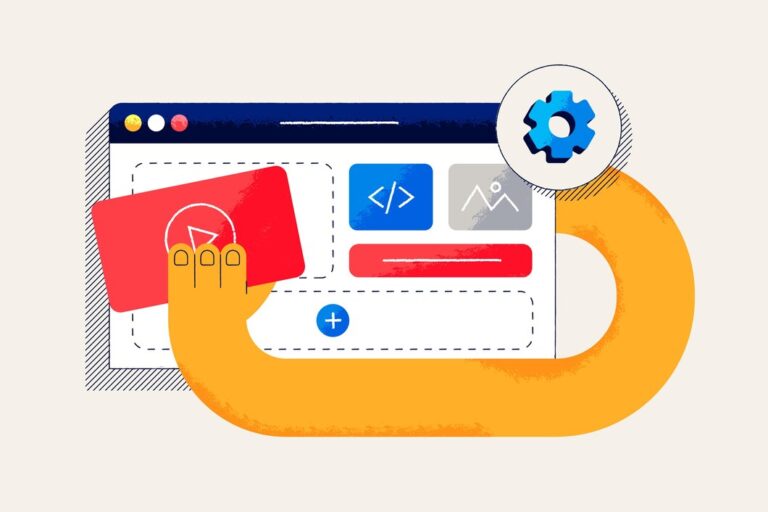
CRO is the practice of improving a website or campaign so more website visitors take the desired action. That action could be completing a form, phoning your office, requesting a quote, making a purchase, or signing up for a newsletter. In simple terms, CRO helps you improve conversions without having to rely on more traffic.
In digital marketing, CRO targets the entire path people take from discovery to action. That path is often called the sales funnel, and it includes everything from search results and ad clicks to the final form submissions or phone calls. Instead of guessing why people leave, CRO uses data, testing, and behavior analysis to spot friction points and remove them.
The main metric behind this process is conversion rate, which is the percentage of visitors who finish a goal. If https://rentry.co/552vr9km 100 people visit a page and five complete the action, the conversion rate is 5%. Small improvements in that number can create meaningful revenue growth, especially for businesses that depend on lead generation.
CRO is not a single tactic. It is an ongoing system of optimization that brings together messaging, layout, trust signals, page speed, and usability. When done well, it helps align search intent with what users actually see on the page. That alignment makes it easier to turn interest into action.
How CRO Really Matters for Syracuse Businesses
For businesses in Syracuse, NY, CRO matters because local competition is often won on clarity, convenience, and trust. Many local businesses rely on a website to answer questions quickly and convert nearby searchers into customers. If someone is looking for a contractor, clinic, restaurant, or professional service, the website has to do more than look good. It has to perform.
Website performance affects how long visitors stay, how far they scroll, and whether they complete an action. Within a market like Syracuse, where downtown businesses, campus-area traffic near Syracuse University, and neighborhood service companies all have different audiences, the right CRO strategy depends on the customer type. A downtown restaurant may need strong mobile ordering prompts. A campus-area business may need fast-loading pages and clear directions. A neighborhood plumber may need prominent call buttons and trust-building reviews.
Conversion rate optimization is also important because many local searchers are on the move. Mobile-first behavior is common for people looking for nearby services while driving, walking, or comparing options in real time. If a page loads slowly or the contact information is hard to find, those visitors leave. That can hurt conversion rate optimization results even if your traffic is strong.

Central New York seasonality also affects conversions. Winter weather can change how people search and when they act. Event-driven traffic patterns, holiday shopping, school schedules, and weather delays all influence response behavior. A business serving Central New York needs a site that can adapt to these shifts, with timely offers, clear calls to action, and mobile-friendly pages that reduce friction.
For companies serving Syracuse, Onondaga County, and surrounding Central New York communities, CRO supports better lead capture across the full customer journey. The goal is not just more visitors. The goal is more qualified leads, more phone calls, and more sales from the traffic you already have.
In what way CRO Works in web design and seo services
web design and seo services complement each other in CRO because presentation shapes visitor actions and SEO brings in the right audience. If the page is easy to use, visitors are more likely to stay, interact, and convert. If SEO attracts the wrong traffic, even the best design may not produce results. CRO sits between these two disciplines and helps link traffic quality with user action.
Strong user experience is the starting point. Visitors should immediately understand what the business does, who it serves, and what to do next. Intuitive navigation, readable copy, strong visual hierarchy, and simple forms all lower friction points. A well-structured landing page supports this by focusing on one goal instead of distracting users with too many choices.
SEO also plays a role by matching pages to the right search intent. If a page ranks for terms that signal buying intent, visitors are more likely to convert. Local SEO is especially important for Syracuse businesses because many searches include location-based intent, such as service near me or best provider in the area. When local SEO and CRO are aligned, the website draws the right visitors and gives them a clear next step.
Web design decisions can significantly affect the bounce rate. A cluttered layout, slow page speed, weak trust signals, or confusing messaging can cause people to leave before they engage. Improvements like shorter forms, strong headlines, prominent phone numbers, and visible reviews can make a real difference. That is why CRO is often built in into design and SEO projects from the start, not added later.
For example, a service company in Syracuse may use a landing page built around one offer, one audience, and one call to action. SEO services can bring in local search traffic, while web design ensures the page is fast, persuasive, and easy to use on mobile. Together, these efforts help improve conversions in a measurable way.
What Indicators Should You Track?
Effective CRO relies on the right analytics. Without data, it is challenging to know whether a change helped or weakened performance. The key metrics show how visitors act, where they leave, and which pages drive results. This is where conversion tracking becomes crucial.
Start by tracking the conversion rate itself, along with actions like phone calls, contact form completions, quote requests, purchases, and newsletter signups. Then look at supporting signals such as bounce rate, click rate, engagement rate, scroll depth, and time on page. These measures help reveal whether the page is winning over visitors or driving them away early.
Analytics can also reveal patterns in behavior analysis. For example, if a page gets high traffic but low form submissions, there may be a mismatch between search intent and page messaging. If users scroll halfway down and stop, the content may need a stronger offer or better structure. Heatmaps can help show where people click, how far they scroll, and which elements draw attention.
Other useful indicators include page speed, device type, and traffic source. A mobile visitor from local search may behave in a different way from a desktop visitor from a referral link. Understanding these differences helps businesses make more informed decisions about testing and optimization.
For Syracuse companies, it can also help to segment data by service area, campaign, or audience type. A homeowner in a residential neighborhood may convert differently from a student near Syracuse University or a business owner searching from downtown. Conversion tracking makes those differences visible so the customer journey can be improved one step at a time.
What’s Typical CRO Approaches?
There’re numerous ways to enhance conversion rate optimization, but a number of methods show up again and again because they work. The first is A/B testing, which compares two versions of a page element to see which one achieves better results. You might test headlines, button text, page layouts, images, or form lengths. Testing gives you evidence instead of assumptions.
A clear call to action is another key tactic. The CTA should be clear, detailed, and simple to spot. Instead of vague language like “Submit,” effective buttons use action-based copy such as “Get a Quote,” “Schedule a Call,” or “Request Service.” The right wording helps users understand exactly what happens next.
Landing pages are also essential to CRO. A purpose-built landing page removes distractions and keeps the visitor moving toward one conversion goal. It should include a compelling headline, benefits-focused copy, trust signals, an easy form, and a visible CTA. For local businesses, adding location cues and service-area language can make the page feel more relevant.
Other frequent strategies include:
- Minimizing form fields to make lead capture easier
- Adding testimonials, reviews, and guarantees as trust signals
- Boosting page speed and mobile optimization
- Leveraging personalized content based on audience or campaign
- Making clear pricing, service area, or next steps
Each of these tactics help lower friction and improve the odds that a visitor will act. The right mix depends on your business goals, your audience, and what the analytics reveal. For some Syracuse businesses, the biggest gains come from faster pages and clearer forms. For others, the biggest win is tighter messaging that better matches the sales funnel.
How Artificial Intelligence Specialists Enhance Conversion Rate Optimization
ai experts can add a higher-level layer to CRO by applying data to predict user behavior and customize the experience. Instead of only adjusting to past performance, AI-driven systems can examine large amounts of behavioral data and identify patterns that humans might miss. That enables businesses raise conversions with greater precision.
One major advantage is predictive analytics. By analyzing user signals such as page visits, clicks, time on page, and content engagement, AI can estimate which visitors are most likely to convert. This lets marketers to focus on high-value audiences and shape the journey based on intent. Predictive models can also support smarter testing by showing which changes are worth prioritizing.
Sunstone Digital Tech201 E Jefferson St, Syracuse, NY 13202
(315) 758-3349
https://maps.app.goo.gl/LNcnKZaUXSqxHPoT8
https://sunstonedigitaltech.com/
43.0471862, -76.1504376
Personalization is another area where AI can make a difference. Personalized content can change based on location, device, referral source, or past behavior. For example, a visitor from Syracuse might see messaging that highlights local service availability, while a returning visitor might see a stronger offer or a shorter path to contact. This type of tailoring can improve click-through rate, engagement rate, and lead generation.
AI can also assist with behavior analysis by identifying friction points in the customer journey. If many users leave on a specific section of a landing page, AI tools may flag that segment for review. If mobile users tend to drop off faster than desktop users, the issue may be tied to mobile optimization or page speed.
For businesses that want to scale marketing efficiently, working with AI experts can drive smarter testing and faster insights. The goal is not to replace strategy. It is to use machine intelligence to make CRO decisions more accurate, more timely, and more useful for revenue growth.
How Do You Begin a CRO Plan?
The smartest way to begin a conversion rate optimization plan is by defining clear conversion goals. Determine what counts above all to your business. That may be phone calls, form submissions, purchases, appointment bookings, or quote requests. A clear goal keeps the work on track and makes it easier to measure success.
Next, complete a website audit. Review your top pages, mobile experience, page speed, navigation, messaging, and form flow. Check whether the content aligns with search intent and whether the design supports trust and clarity. A good audit often reveals easy wins, such as weak CTAs, too many form fields, or missing trust signals.
After that, trace the customer journey. Think about the full path from awareness to action. How do people discover you? What information do they need before they convert? Where do they hesitate? Understanding the journey helps you design pages that answer questions in the right order and reduce friction at every step.
From there, develop a testing plan. Prioritize changes that could deliver the most impact, such as improving landing pages, refining calls to action, or simplifying conversion tracking. Use analytics to measure each test and compare results over time. This makes CRO an ongoing process rather than a one-time fix.
For Syracuse businesses, a practical CRO plan should also reflect local behavior. Mobile-first search, seasonal demand shifts, and community-specific audiences all shape how people respond online. A well-designed plan can support more qualified lead generation, stronger customer relationships, and better performance across digital marketing channels.
Common Questions on Conversion Rate Optimization
What exactly is conversion rate optimization in digital marketing?
Conversion rate optimization in digital marketing is the process of refining a website or campaign so more visitors perform a desired action, such as submitting a form, making a purchase, or calling a business. It uses analytics, testing, and user behavior insights to increase conversions and make the sales funnel more effective.
Why is CRO matter for small businesses in Syracuse, NY?
CRO matters for small businesses in Syracuse, NY because it helps turn existing website traffic into leads and sales. Many local businesses compete for attention from mobile searchers, downtown customers, and nearby neighborhoods, so even small improvements in user experience, landing pages, and calls to action can create better results.
How do web design and SEO services affect conversion rates?
Web design affects how easy a site is to use, while seo services affect which visitors arrive and what search intent they bring. When both are aligned, the site is more likely to keep users engaged, reduce bounce rate, and guide them toward conversion tracking goals like form submissions or calls.
What tools are used for conversion tracking and A/B testing?
Common tools for conversion tracking and A/B testing include analytics platforms, heatmaps, form tracking tools, and testing software that compares different page versions. These tools help businesses understand user behavior, measure click-through rate, and identify which changes improve website performance.
How do AI experts help improve website conversions?
AI experts can help improve website conversions by using predictive analytics, personalization, and behavior analysis to identify what different visitors are likely to do next. That insight makes it easier to tailor personalized content, reduce friction points, and improve lead generation across the customer journey.